AGP Executive Report
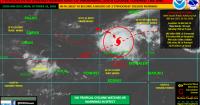
Last update: 4 days agoIn the last 12 hours, the dominant Guam Environment Daily thread has been tropical weather updates tied to Tropical Storm Hagupit. Multiple reports say Hagupit is moving west through Yap with maximum sustained winds around 40 mph, and—crucially—no direct threat to Guam/CNMI because the storm is passing well south of the Marianas. Even so, forecasters warn that trade winds will surge with spotty showers, hazardous seas, surf, and strong rip currents, and that residents should still expect impacts even without a direct track. The latest update also notes that Hagupit is now unlikely to strengthen significantly compared with earlier expectations, with a tropical storm warning/watch structure focused on parts of Yap.
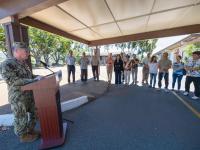
Alongside the weather coverage, the most clearly “Guam-specific” policy/environmental item in the last 12 hours is a push for national heritage designation. The Guam Preservation Trust’s 4th Pacific Preservation Summit drew more than 150 attendees and highlighted a National Park Service public engagement phase for a feasibility study that could consider the entire island as a National Heritage Area—framing preservation as community-driven and locally managed rather than purely development-focused.
The last 12 hours also include social and governance developments that connect to community resilience after recent disasters. Survivors and families continue to seek accountability after the George Building collapse (two years on, with survivors describing ongoing trauma and frustration over delays), and there is continued emphasis on rebuilding and mental health in the wake of Super Typhoon Sinlaku (including stories about people “picking up the pieces” and a youth camp/tournament planned to raise mental-health awareness). Separately, Guam’s economic and infrastructure planning appears in coverage about digital rights, renewable power, and food sovereignty and in a broader “open for business” investment push (though the detailed investment items are more fully evidenced in the 24–72 hour window).
Looking back 3–7 days, the coverage shows continuity in two major themes that remain relevant to environmental risk and long-term planning: (1) post-Sinlaku recovery and preparedness, including reports about wildfire risk from storm debris and ongoing efforts to restore clean water; and (2) deep-sea mining concerns, where Guam and CNMI leadership are pushing for a moratorium and criticizing how federal leasing could proceed ahead of environmental review. However, within the most recent 12 hours, the deep-sea mining thread is not as prominent as the Hagupit weather updates and the heritage/preservation and community-recovery items—so the “change” in emphasis is toward immediate hazard monitoring and cultural/community initiatives rather than mining policy in the latest cycle.
Note: AI summary from news headlines; neutral sources weighted more to help reduce bias in the result.